California SB 1383 Organics Recycling Law
Residential Services
Have A Question?
Need help with services, scheduling, or recycling guidelines? Contact our team—we’re happy to assist.
What Is SB 1383?
SB 1383 is a statewide law that requires organic waste recycling to reduce greenhouse gases.
Organic materials like food waste break down in landfills and create methane, a powerful greenhouse gas. By recycling these materials, communities help protect the environment and produce compost used to enrich soil.
California SB 1383 Organics Recycling Law
California law requires residents and businesses to recycle organic waste such as food scraps, yard trimmings, and food-soiled paper.
These materials must be placed in the organics (green) cart instead of the trash. Recycling organic waste helps reduce methane emissions from landfills and turns waste into valuable compost and renewable energy.
What Residents Should Know
Residents should place the following materials in the organics (green) cart:
Residents should place the following materials in the organics (green) cart:
- Food scraps and leftovers
- Fruit and vegetable peels
- Coffee grounds and tea bags
- Bread, pasta, rice, and grains
- Meat, bones, and dairy
- Yard trimmings and leaves
- Food-soiled paper such as napkins and paper towels
Items that should NOT go in the organics cart include:
🚫 Plastic bags
🚫 Glass, metal, or plastic
🚫 Packaging Materials
🚫 Trash
For more details about sorting materials, visit our What Goes Where tool.
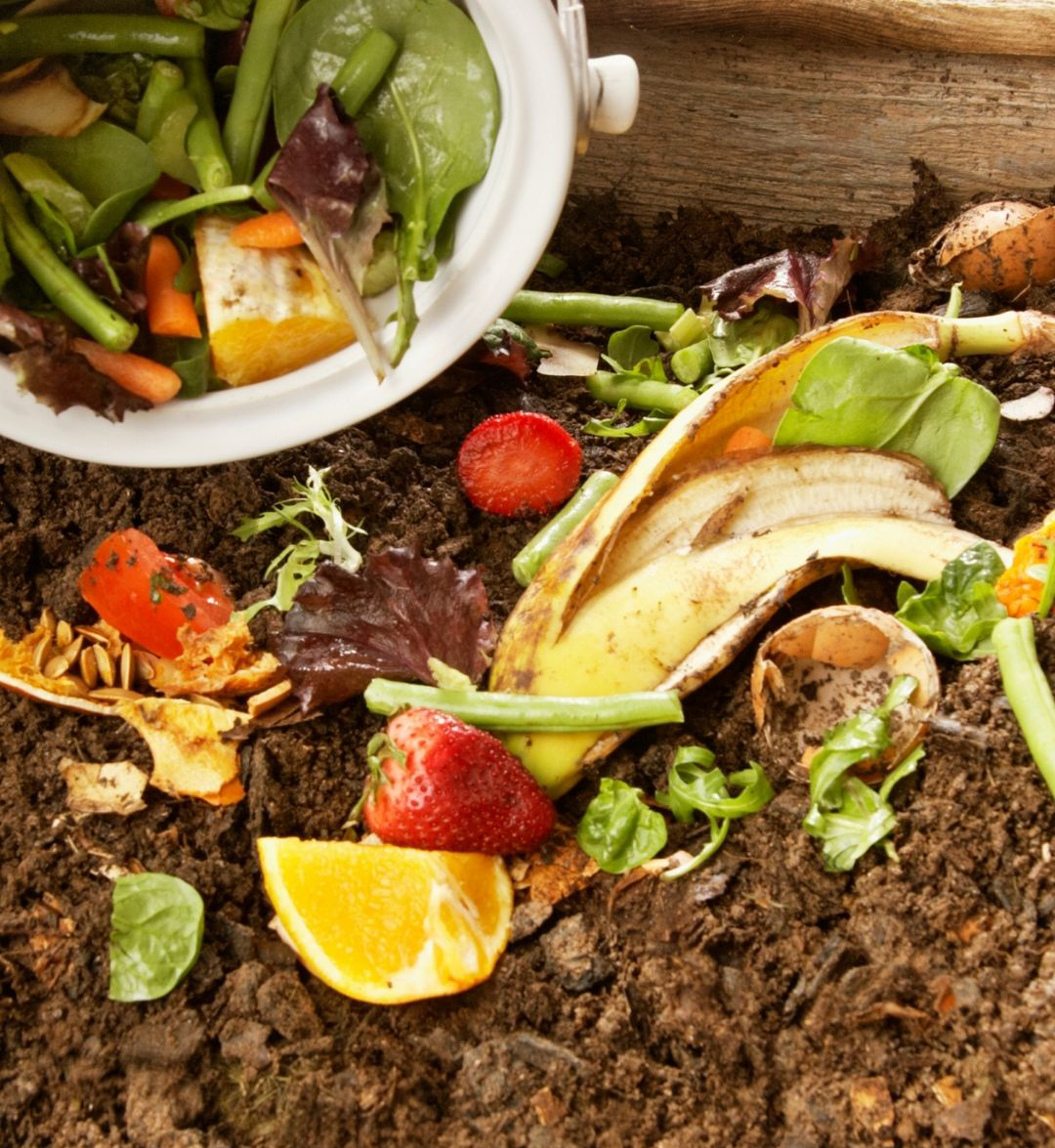
- Fruits and vegetables
- Meat, bones, and seafood
- Bread, grains, and pasta
- Coffee grounds and filters
- Dairy products
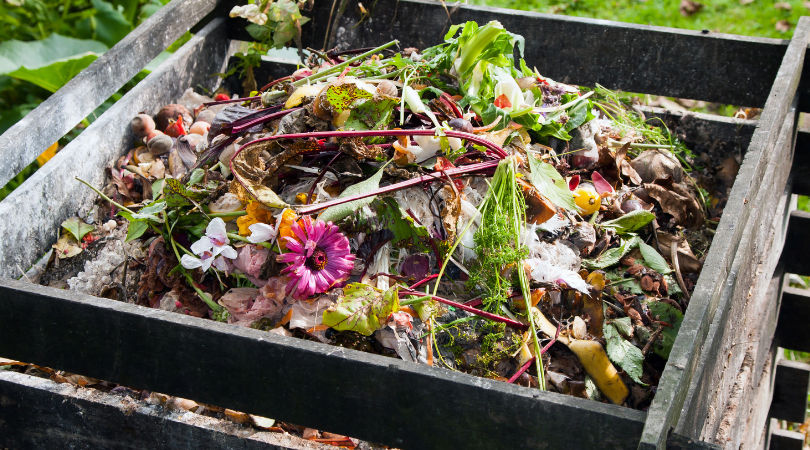
Yard Waste
- Grass clippings
- Leaves and branches
- Weeds and plants
- Small untreated wood pieces
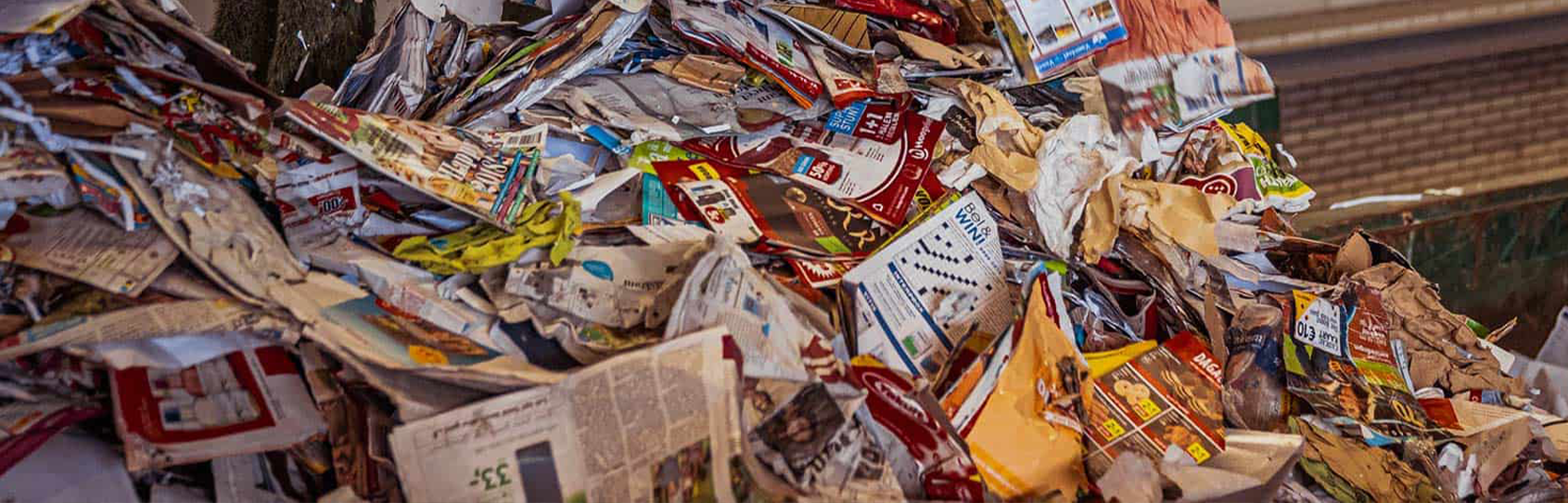
Food-Soiled Paper
- Napkins and paper towels
- Pizza boxes
- Paper plates (uncoated)
What Businesses Must Do
Businesses and commercial properties are also required to recycle organic waste.
Businesses must:
- Subscribe to organics recycling service
- Provide recycling and organics containers for employees or customers
- Train staff on proper waste sorting
These requirements help businesses reduce landfill waste and support California’s climate goals.
Edible Food Donation
Certain businesses that generate large amounts of edible food must donate surplus food instead of throwing it away.
Food donation programs help reduce food waste while supporting local communities and food recovery organizations.
Why This Matters
Recycling organic waste provides important environmental benefits:
- Reduces methane emissions from landfills
- Produces compost that improves soil health
- Supports renewable energy production
- Helps California meet climate goals
Learn More About Recycling Services
To learn more about proper waste sorting and collection services, visit:
If you have questions about recycling or organics service, please contact our customer service team.